Aquarium Maintenance in Dallas – Dallas Aquarium Experts


DALLAS AQUARIUM EXPERTS


Aquarium Maintenance & Service, Custom Aquarium Design, Aquarium Installation & Set Up, and Aquarium Sales in Dallas and the surrounding communities


Aquarium Maintenance

A tank will only survive for so long without regular, thorough maintenance. Regular water changes and cleaning are vital to the health of your fish. All of the maintenance routines discussed below should become second nature after a while, but it is a good idea to schedule the weekly and monthly tasks on your calendar, just so you don’t forget them or put them off for too long. If you leave too much time between water changes or cleanings, the damage may be irreversible.

First of all, there are some supplies you will need for cleaning your tank. This equipment should be used for tank cleaning only and not for any other household chores. Using the same bucket for tank cleaning as for washing your car, for example, could eventually mix some soap or chemical residue into your tank water and quite likely kill your fish. A minimum of two buckets should be set aside for use in aquarium maintenance. These buckets will be used for water changes, gravel washing, treating sick fish or acclimating new fish, and many other cleaning-related activities.


Dallas Aquarium Experts recommended – Daily Maintenance


  • Take advantage of your daily feeding time to check a few things in your tank. First, look at your fish. Take at least a few minutes to observe them each day. Get to know their appearances as well as their behaviors. Once you become very familiar with your fish, it will be easy for you to notice any changes that could indicate a problem


  • Check the temperature of the tank every day to make sure it is at an appropriate level and the heater is functioning properly. As long as the temperature stays within a range of 3 or 4 degrees, your fish should do just fine, but if it is varying more than that, you will want to inspect your heater and perhaps consider purchasing a new one. Another good idea is to touch the tank with the back of your hand any time you are near it, just so you can immediately recognize an extreme temperature change.


  • Checking the filter should be another part of your daily maintenance routine. Many filters will run reliably for years and years, but at any time, a problem can arise. Make sure the filter is still running and that the water is flowing at the same rate as usual. A filter that is partially clogged or has stopped running altogether will immediately begin to put the health of your fish at risk.


Dallas Aquarium Experts recommended Weekly Maintenance


Several tasks should be performed on a weekly basis, if possible. These include water changes, glass cleaning, and vacuuming.


  • Dallas Aquarium Experts recommended Water Changes

One of the most serious problems a fish tank will encounter is waste buildup. In the wild, waste will quickly disperse throughout the water, but in a tank, waste can quickly accumulate. Waste buildup is a problem because it can make a tank appear dirty, but it also brings a much more serious problem: ammonia. This substance is produced by fish and by the bacteria that break down waste, uneaten food, and other things in the water.

One way to keep debris buildup to a minimum is to conduct frequent water changes. Regular, partial water changes are unequaled in their ability to keep a tank fresh and your fish healthy. Fish are constantly producing waste (urine, feces, and other wastes, such as ammonia), and in a tank, this waste has nowhere to go. In a dirty tank, fish are forced to intake these wastes through their gills every time they breathe.

Recommendations on how much water should be changed during each water change vary greatly, from 10 percent to 50 percent.

A water change can be simple or more complicated, depending on the method you choose. The tried-and-true bucket and hose method is probably the easiest and most popular. To use this method, simply place a bucket lower than the aquarium and use some tubing to siphon water from the tank into the bucket.

There are also water-driven changers that avoid the danger of spilling a bucket of water all over the floor. These changers use the flow of water from the tap to create suction in a tube. When the appropriate amount of water has been taken out of the aquarium, the flick of a switch allows water to flow from the tap back through the tubing and into the aquarium. Remember to always make sure that the replacement water is the same temperature as the water that was removed to avoid shocking your fish.

  • Dallas Aquarium Experts recommended Glass Cleaning

Cleaning algae off of the glass once a week will keep your tank looking clean and make for easy viewing of your fish. Keep in mind that algae is not a bad thing, when confined to the glass, so it is a good idea to clean only the panes of glass that you use for viewing and clean any others less frequently. Glass cleaning will be performed with a scraper made of metal or plastic blades or an abrasive pad. Work slowly and smoothly, being careful not to scratch the tank.

  • Dallas Aquarium Experts recommended Gravel Vacuuming

Some hobbyists do not vacuum the gravel ever time they change the water, but a good vacuuming once a week is highly recommended. Keeping the gravel free of detritus will allow the filter to function more efficiently. To vacuum the gravel, use a siphon with a gravel tube on the end, plunging the tube into the substrate. As the gravel is lifted partway up the tube, dirt particles (including uneaten food and feces) are sucked up and out of the tank, and then the gravel is dropped back to the bottom of the aquarium.


Monthly Aquarium Maintenance


  • Dallas Aquarium Experts recommended Filter Cleaning

Bio-filters can become clogged with debris, preventing a smooth flow of water. A gentle rinsing with water from the tank at its normal temperature should be sufficient to clear the filter of any clogs.


  • Dallas Aquarium Experts recommended Cover Glass Cleaning

Whether you have a glass top or a hood top on your tank, any tank cover will require a regular cleaning. The outside will be dusty, and the inside will have accumulated calcium deposits and algae, particularly near the light. It is especially important to clean the cover regularly if you’re keeping live plants in the tank, as buildup will significantly reduce the amount of light reaching the plants


Schedule a free consultation with Dallas Aquarium Experts today and service professional will come to your home or business and access your current situation. Before you make your decision on an Aquarium Maintenance Company in Dallas, allow us the opportunity to provide you a free consultation regarding your current Aquarium or we can provide an estimate on a new aquarium set-up and aquarium maintenance. Your fish will reward you with their natural beauty and years of enjoyment.


• Call us at (469) 450-3900

Old Tank Syndrome

How to prevent Old Tank Syndrome


Many aquarists find out they have Old Tank Syndrome only when they try to introduce new fish to their aquarium. Existing fish may have been able to adjust slowly to the declining water quality but, to new fish, these poor conditions are a shock to the system, often causing them to succumb to weakness and disease.

If you think your freshwater aquarium demonstrates signs of Old Tank Syndrome, test your water right away. You can easily prevent nitrate buildup through regular water changes. If nitrate levels are high (above 60 ppm), perform a series of small water changes (no more than 25% per day) until it is lowered to acceptable levels (< 50 ppm). These water changes will also replenish lost carbonate ions (buffers) to help stabilize pH and create a healthy living environment.

Rather than combating the effects of Old Tank Syndrome, practice proper aquarium husbandry and perform routine maintenance. Insist upon regular aquarium maintenance, especially regular water changes and water testing.


DALLAS AQUARIUM EXPERTS

Aquarium Maintenance & Service, Custom Aquarium Design, Aquarium Installation & Set Up, and Aquarium Sales in Dallas and the surrounding communities


CONTACT US

Schedule a free consultation where a reliable and professional service technician will come to your home or business and access your current situation. Before you make your decision on an Aquarium Maintenance Company in DFW, allow us the opportunity to provide you a free consultation regarding your current Aquarium or we can provide an estimate on a new aquarium set-up and aquarium maintenance. Your fish will reward you with their natural beauty and years of enjoyment.


• Call us at (469) 450-3900


• Email us at sales@DallasAquariumExperts.com


Starting a Siphon – Siphoning Your Aquarium Water and Cleaning Your Aquarium Gravel

Starting a Siphon

Siphoning Your Aquarium Water and Cleaning Your Aquarium Gravel


To operate a gravel vacuum, you will need to get a siphon started in the siphon tube.

First, place a bucket on a low stool or on the floor in front of the fish tank. You will use this bucket to catch the water you are draining out of the fish tank through the siphon.

If the siphon you are starting is attached to a gravel vacuum, place the wide end of the gravel vacuum in the aquarium, and rest its open end on or slightly into the aquarium gravel. If this siphon is not attached to a gravel vacuum, you will want to keep the end of the siphon in the aquarium several inches away from the gravel. Point the other end of the tube toward the bucket.

To get your siphon started, you will need to get water into the siphon tube.

Starting a Siphon by Immersion

Another option to get a siphon started is to lower the entire siphon into the aquarium slowly, making sure that you get all of the air out of the tube. Then you can plug the one end of the tube with your finger or thumb and lift that end out of the tank (being careful that the other end does not come out of the water) and lower it toward the bucket before releasing your finger. When you release your finger, the water should start to flow into the bucket.

Suck-Starting an Aquarium Siphon

Probably the easiest way to do this is to gently suck on the lower (bucket) end of the siphon tube while holding it above the bucket, but lower than the water level in the aquarium. As soon as the water gets past the edge of the fish tank and begins to flow down the tube, remove your mouth from the siphon and allow the water to flow into the bucket. However, some people think that this method is a disgusting way to get a siphon started (though the water in your aquarium should be no more harmful to you than it is to your fish). In these cases, there are other ways to get your siphon started.


  Starting a Siphon with a Priming Ball

Some other gravel vacuums have a valve in them that will allow water to flow one way, but not the other. The manufacturers of these recommend that you shake the gravel vacuum rapidly up and down in the aquarium to push water past that valve and into the tube. In this manner you can get the siphon started by just getting water pushed over the lip of the fish tank when it can start to flow downward into the bucket. I find that using this method always makes the aquarium unnecessary messy and often creates a mess. I also find that this is the most difficult method to use to get a siphon started.


Nothing is more important in aquarium keeping than water quality management. There are many excellent products available out there to assist in water quality management, but in my opinion, there is still no replacement for water changes, good filtration, and good feeding habits.


DALLAS AQUARIUM EXPERTS


Aquarium Maintenance & Service, Custom Aquarium Design, Aquarium Installation & Set Up, and Aquarium Sales in Dallas and the surrounding communities


Contact Dallas Aquarium Experts Today!

Schedule a free consultation where a reliable and professional service technician will come to your home or business and access your current situation. Before you make your decision on an Aquarium Maintenance Company in DFW, allow us the opportunity to provide you a free consultation regarding your current Aquarium or we can provide an estimate on a new aquarium set-up and aquarium maintenance. Your fish will reward you with their natural beauty and years of enjoyment.

.

• Call us at (469) 450-3900


• Email us at sales@DallasAquariumExperts.com


Electric Yellow Lab


The Yellow Lab is one of our personal favorites!  Yellow Labs are almost everything a hobbyist could ask for: a great yellow color, playful inquisitive personality, hardy and good eaters.  We keep them in our display aquarium and recommend them to our clients with African Cichlid Aquariums.  A very popular African Cichlid that can be found in most pet stores is the Electric Yellow Labidochromis (Labidochomis Caeruleus). Also called Electric Yellow Cichlid or Electric Yellow Lab, they are fairly hardy and easy to care for. They are not as aggressive as some of the other Lake Malawi rock Cichlids. Their bright yellow colored bodies with black stripes along the edges of the dorsal, anal and pelvis fins gives these Cichlids striking color pattern.

All Cichlids from Lake Malawi show aggression and are territorial. This is true with Electric Yellow Cichlids. However they are one of the milder mannered of the African Cichlids. They grow to be about 3 inches in length and can be kept in tanks that are as small as 25 gallons in size. They are best maintained in small groups of about 6 fish and the group should have more females than males.

A good tank setup for Electric Yellow Labs would include some type of rock formation with passageways and caves. The tank should also have a fine gravel or sandy bottom and be well-lit. Use a background to provide additional security to the fish as well as a natural underwater scene. Water should be medium-hard, alkaline, well filtered and have a temperature between 72 and 77 degrees.

Electric Yellow Cichlids are typical mouth brooding Cichlids. A pair will spawn anywhere in the aquarium. After spawning, the male and female can remain together while the female cares for the eggs and fry. Usually the female will choose to incubate the eggs in a cave. Feed baby brine shrimp to the fry for the first couple months after they hatch.

Electric Yellows will eat a wide range of commercial fish flakes and Cichlid pellets. Providing carotene rich foods will help maintain their bright yellow coloration. Because Electric Yellows are fairly mild-mannered and easy to keep they are a very popular African Cichlid.


DALLAS AQUARIUM EXPERTS

Aquarium Maintenance & Service, Custom Design, and Aquarium Sales in Dallas and the surrounding communities

Contact us today to schedule your free consultation

Whether your need is servicing an existing aquarium, or you are interested in a new aquarium setup, we will schedule a free consultation where an experienced professional will meet with you at your home or place of business. We will assess your current situation and divise a plan that will help you move closer to the aquarium you have always wanted.


Call us at (469) 450-3900

Email us at: sales@dallasaquariumexperts.com


Tips for Giving Your Pet Goldfish a Long and Healthy Life

Tips for Giving Your Pet Goldfish a Long and Healthy Life


Overview of Goldfish:

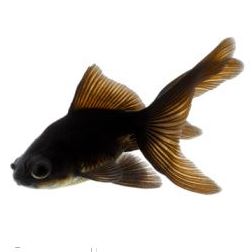
Common and fancy goldfish are Asian Carp, Carassius auratus. They have been bred in the Orient for over a thousand years, and in Europe for over a hundred years to provide all of the colors and shapes available to hobbyists today.

Goldfish are a temperate fish found in cool streams, lakes, and ponds throughout Asia and part of eastern Europe, though all the specimens found in the hobby today are captive bred. Goldfish can be easy to care for, however, they do require some care. Given proper care and a good, healthy environment, goldfish can sometimes live nearly 50 years!

Goldfish Equipment & Maintenance:

To keep a goldfish healthy, remember to provide them with plenty of clean, cool water.

Your goldfish’s temperature should never rise above 74° Fahrenheit (about 23.5° Celsius), and ideally should remain between 65° and 68° F (18° and 20° C) so you will need a thermometer. Keeping a goldfish above 72° F (about 22.5° C) for long periods of time will result in Oxygen deprivation, which can cause nerve damage, heart damage, and can seriously hamper the immune system, making them more susceptible to many diseases, from easily treatable Ick to nearly untreatable swim bladder infections.

Keep your goldfish in a fish tank no smaller than a 10 gallon (about 38 liter), and make sure that a minimum of 6 gallons (23 liters) of the space in that fish tank is dedicated to each goldfish (each goldfish should have 6-8 gallons or more (roughly 23-30 liters or more) space in the goldfish aquarium). A 10 gallon fish tank is really only suitable for one goldfish.

This will provide sufficient space for your goldfish, so he can remain healthy, and this will allow the aquarium to help you keep healthy goldfish.

Goldfish should never be kept in a fish bowl.

Perform your weekly 10-15% water changes, so that your goldfish always has clean water and so that any waste that is not processed by the aquarium filter is removed.

Your goldfish will need a filter to keep the water from becoming toxic, and you will need to keep the filter in good condition. When selecting a filter, if you have fancy goldfish, make sure that the filter will not produce excessive current in your fish tank, and this will make it difficult for the fancy goldfish to swim.

Goldfish Food & Care:

Remember that your goldfish is an omnivorous (eats anything) scavenger, so provide him with a varied and high carbohydrate diet. Many goldfish foods are available on the market today, and most frozen fish foods are also appropriate, provided you do not feed meaty foods too often.

Goldfish have large appetites, but they also graze for food constantly. Don’t let their ‘mock hunger’ and grousing around for food fool you into over feeding them. Your fish should be able to consume all the food you offer within two minutes of feeding. If there is food in the aquarium after this time has elapsed, this will contribute to poor water quality and make your goldfish more susceptible to disease.

You will only need to feed your goldfish once a day. If you feed more than once a day you will increase the waste your fish is producing and will also increase the risk of over feeding, so it becomes more important that you are performing your weekly 10-15% water changes and all necessary filter maintenance. Providing a proper diet will increase your goldfish’s life expectancy and bolster their immune system.

Goldfish, like almost any fish, are aware that they are prey animals. In order to feel comfortable, they need to have lots of hiding places. Goldfish do not seem to be too particular about their cover, however, you do want to make sure that you do not use any sharp or rough decorations that your goldfish may get hurt on, especially if you are keeping any fancy goldfish that have impaired vision.

Like most other fish, they are more comfortable and will come out more and be more active if you can provide them with 50-75% cover – this means you should make half to three fourths of your tank space hiding places. Providing sufficient cover will reduce stress and therefore improve your goldfish’s immune system, reducing chance of disease.


Goldfish Companionship:Goldfish can, like most fish, be kept with fish with similar care requirements and temperament. However, this very quickly limits you to other goldfish – fortunately, there are many different and interesting fancy goldfish to choose from.

When looking for a companion for your goldfish, remember to select goldfish with similar handicaps. If their disabilities are too different, it is very likely that some will out compete the others for food, and you can have a goldfish starve to death while another gets fat right before your eyes in your fish tank.


Finally:

Remember, goldfish are beautiful living creatures. It is the responsibility of the pet owner to care for their pet and provide a healthy environment. So give your goldfish space, clean, cool water, plenty of hiding places, and high-quality, high-carbohydrate foods and he should be a good companion for a long time.

This one is for you Gracie! I hope you enjoy your new aquarium.  Take good care of Catcher and Mary, I’m sure they will love their new home! 

Much Love,

Dallas Aquarium Experts

Maintenance Schedule for a Marine Aquarium

Marine Aquarium Maintenance Schedule


To keep the fish and other marine life in your saltwater aquarium happy and healthy, you have to do some basic maintenance. Some tasks you need to do every day without fail; other jobs you do weekly, bi-weekly, or monthly. You need to conduct a thorough examination of all aquarium systems, including lighting, heating, filtration, aeration pumps, and tubing monthly.  Replace or clean parts as needed.  No schedule should be “set in stone” every aquarium is different and will have different requirements.  The schedule below is simply meant to be a genral guideline.

   Marine Aquarium Maintenance Every Day

  • Turn the Aquarium lights on and off. Most aquarists prefer to use an automatic timer. If you choose not to,  turn the lights on and off in a consistent pattern.
  • Check for fish and invertebrates for signs of stress, diseased, or death. Be prepared to remove or treat fish that aren’t well.
  • Feed the fishes and invertebrates twice a day, removing any uneaten food promptly.
  • Check the water temperature and specific gravity or salinity. Adjust the heater as needed.
  • Empty the protein skimmer collection cup as needed.
  • Check the water level and top off as needed.
  • Check all aquarium systems: heater, filters, air pumps, protein skimmer. Make sure they’re running properly and smoothly and pay special attention to intakes and siphon tubes. Make sure nothing is leaking.

   Marine Aquarium Maintenance Once a Week

  • Remove excess algae
  • Clean the glass
  • Conduct water tests weekly after the water matures and the nitrogen cycle is established. Record all test results and add trace elements and buffers.
  • Remove excess algae.

   Marine Aquarium Maintenance Every Two Weeks

  • Clean filters as needed. Partially change or rinse the filter media on some filters, if the bioload is high, the media is dirty, or the flow is restricted.
  • Change twenty percent of the tank water while vacuuming the gravel.

   Marine Aquarium Maintenance Every Month

  • Conduct thorough filter checks. Replace the filter carbon and rinse the filter media and components, as needed and depending on bioload.
  • Clean the protein skimmer.
  • Replace air stones as needed.
  • Clean the outside of the aquarium, removing salt and calcium deposits, dust, and dirt.
  • Rinse any tape decorations that suffer from excess algae.


Dallas Aquarium Experts, the leader in Aquarium Maintenance, Aquarium Service, and Aquarium Cleaning in Dallas.  Contact us Today for a free Consultation.


Dallas Aquarium Experts offering Services in Frisco

A DFW Aquarium Maintenance Service Company, Dallas Aquarium Experts offers the following specific Aquarium Services in this specific area of the DFW Metroplex: Frisco Aquarium Maintenance, Frisco Freshwater Aquarium Maintenance, Frisco Saltwater Aquarium Maintenance, Frisco Reef Aquarium Maintenance, Frisco Fish Tank Cleaning, Frisco Aquarium Cleaning, Frisco Freshwater Aquarium Cleaning, Frisco Saltwater Aquarium Cleaning, Frisco Reef Aquarium Cleaning, Frisco Aquarium Cleaning Service, Frisco Custom Aquarium Design, Frisco Custom Freshwater Aquarium Design, Frisco Custom Saltwater Aquarium Design, Frisco Custom Reef Aquarium Design, Frisco Custom Aquarium Installation, Frisco Aquarium Set Up, Frisco Freshwater Aquarium Set Up, Frisco Saltwater Aquarium Set Up, Frisco Reef Aquarium Set Up, Frisco Aquarium Leasing, Frisco Aquarium Sales, Frisco Aquarium Relocation, and Frisco Aquarium Movers.

Dallas Aquarium Experts offer a variety of Aquarium Maintenance Services to keep your fresh water aquarium, saltwater aquarium, or reef tank healthy, thriving, and looking its best. Our success with aquariums starts with decades of experience and knowledge in maintaining  freshwater aquariums, saltwater aquariums, and reef tanks.  One of the most important keys to our success is superior water quality.  The lifeblood of any aquarium. We always use only Reverse Osmosis De-Ionized water when servicing or installing Reef Tanks, Marine Aquariums, and Freshwater Aquariums. We offer only the best products to our clients and their Aquariums.  Whether your need is an Aquarium Cleaning, Freshwater Aquarium Maintenance, or Salt Water Maintenance, or you are interested in a new Freshwater Aquarium, Salt Water Aquarium, or Reef Tank in your office or home, Dallas Aquarium Experts is the best choice you can make.  We know what we are doing and will make sure you never need to find another aquarium maintenance company. We want every customer to feel like they are our only customer.

Contact us today to schedule your free consultation


Whether your need is servicing an existing aquarium, or you are interested in a new aquarium setup, we will schedule a free consultation where an experienced professional will meet with you at your home or place of business.  We will assess your current situation and divise a plan that will help you move closer to the aquarium you have always wanted.


Call us at (469) 450-3900

Email us at: sales@dallasaquariumexperts.com

Dallas Aquarium Experts offering Aquarium Services in Plano

Aquarium Service

Dallas Aquarium Experts offer a variety of Aquarium Services to keep your fresh water aquarium, saltwater aquarium, or reef tank healthy, thriving, and looking its best. Our success with aquariums starts with decades of experience and knowledge in maintaining freshwater aquariums, saltwater aquariums, and reef tanks. One of the most important keys to our success is superior water quality. The lifeblood of any aquarium. We always use only Reverse Osmosis De-Ionized water when servicing or installing Reef Tanks, Marine Aquariums, and Freshwater Aquariums. We offer only the best products to our clients and their Aquariums. Whether your need is an Aquarium Cleaning, Freshwater Aquarium Maintenance, or Salt Water Maintenance, or you are interested in a new Freshwater Aquarium, Salt Water Aquarium, or Reef Tank in your office or home, Dallas Aquarium Experts is the best choice you can make. We know what we are doing and will make sure you never need to find another aquarium maintenance company. We want every customer to feel like they are our only customer.

Go back

Your message has been sent

Warning
Warning
Warning
Warning

Warning.

Contact us today for your free Aquarium Service estimate!

Aquarium Service

A DFW Aquarium Maintenance Service Company, Dallas Aquarium Experts offers the following specific Aquarium Services in this specific area of the DFW Metroplex: Plano Aquarium Maintenance, Plano Freshwater Aquarium Maintenance, Plano Saltwater Aquarium Maintenance, Plano Reef Aquarium Maintenance, Plano Fish Tank Cleaning, Plano Aquarium Cleaning, Plano Freshwater Aquarium Cleaning, Plano Saltwater Aquarium Cleaning, Plano Reef Aquarium Cleaning, Plano Aquarium Cleaning Service, Plano Custom Aquarium Design, Plano Custom Freshwater Aquarium Design, Plano Custom Saltwater Aquarium Design, Plano Custom Reef Aquarium Design, Plano Custom Aquarium Installation, Plano Aquarium Set Up, Plano Freshwater Aquarium Set Up, Plano Saltwater Aquarium set up, Plano Reef Aquarium Set Up, Plano Aquarium Leasing, Plano Aquarium Sales, Plano Aquarium relocation, and Plano Aquarium Movers.


Dallas Aquarium Experts offering Services in McKinney

A DFW Aquarium Maintenance Service Company, Dallas Aquarium Experts offers the following specific Aquarium Services in this specific area of the DFW Metroplex: McKinney Aquarium Cleaning, McKinney Freshwater Aquarium Cleaning, McKinney Saltwater Aquarium Cleaning, McKinney Reef Aquarium Cleaning, McKinney Aquarium Cleaning Service, McKinney Custom Aquarium Design, McKinney Custom Freshwater Aquarium Design, McKinney Custom Saltwater Aquarium Design, McKinney Custom Reef Aquarium Design, McKinney Custom Aquarium Installation, McKinney Aquarium Set Up, McKinney Freshwater Aquarium Set Up, McKinney Saltwater Aquarium Set Up, McKinney Reef Aquarium Set Up, McKinney Aquarium Leasing, McKinney Aquarium Sales, McKinney Aquarium relocation, McKinney Aquarium Movers.

Dallas Aquarium Experts offer a variety of Aquarium Maintenance Services to keep your fresh water aquarium, saltwater aquarium, or reef tank healthy, thriving, and looking its best. Our success with aquariums starts with decades of experience and knowledge in maintaining  freshwater aquariums, saltwater aquariums, and reef tanks.  One of the most important keys to our success is superior water quality.  The lifeblood of any aquarium. We always use only Reverse Osmosis De-Ionized water when servicing or installing Reef Tanks, Marine Aquariums, and Freshwater Aquariums. We offer only the best products to our clients and their Aquariums.  Whether your need is an Aquarium Cleaning, Freshwater Aquarium Maintenance, or Salt Water Maintenance, or you are interested in a new Freshwater Aquarium, Salt Water Aquarium, or Reef Tank in your office or home, Dallas Aquarium Experts is the best choice you can make.  We know what we are doing and will make sure you never need to find another aquarium maintenance company. We want every customer to feel like they are our only customer.

Contact us today to schedule your free consultation


Whether your need is servicing an existing aquarium, or you are interested in a new aquarium setup, we will schedule a free consultation where an experienced professional will meet with you at your home or place of business.  We will assess your current situation and divise a plan that will help you move closer to the aquarium you have always wanted.


Call us at (469) 450-3900

Email us at: sales@dallasaquariumexperts.com

Dallas Aquarium Experts offering Services in Dallas

 A DFW Aquarium Maintenance Service Company, Dallas Aquarium Experts offers the following specificAquarium Services in this specific area of the DFW Metroplex: Dallas Aquarium Maintenance, Dallas Freshwater Aquarium Maintenance, Dallas Saltwater Aquarium Maintenance, Dallas Reef Aquarium Maintenance, Dallas Fish Tank Cleaning, Dallas Aquarium Cleaning, Dallas Freshwater Aquarium Cleaning, Dallas Saltwater Aquarium Cleaning, Dallas Reef Aquarium Cleaning, Dallas Aquarium Cleaning Service, Dallas Custom Aquarium Design, Dallas Custom Freshwater Aquarium Design, Dallas Custom Saltwater Aquarium Design, Dallas Custom Reef Aquarium Design, Dallas Custom Aquarium Installation, Dallas Aquarium Set Up, Dallas Freshwater Aquarium Set Up, Dallas Saltwater Aquarium Set Up, Dallas Reef Aquarium Set Up, Dallas Aquarium Leasing, Dallas Aquarium Sales, Dallas Aquarium Relocation, and Dallas Aquarium Movers

Dallas Aquarium Experts offer a variety of Aquarium Maintenance Services to keep your fresh water aquarium, saltwater aquarium, or reef tank healthy, thriving, and looking its best. Our success with aquariums starts with decades of experience and knowledge in maintaining  freshwater aquariums, saltwater aquariums, and reef tanks.  One of the most important keys to our success is superior water quality.  The lifeblood of any aquarium. We always use only Reverse Osmosis De-Ionized water when servicing or installing Reef Tanks, Marine Aquariums, and Freshwater Aquariums. We offer only the best products to our clients and their Aquariums.  Whether your need is an Aquarium Cleaning, Freshwater Aquarium Maintenance, or Salt Water Maintenance, or you are interested in a new Freshwater Aquarium, Salt Water Aquarium, or Reef Tank in your office or home, Dallas Aquarium Experts is the best choice you can make.  We know what we are doing and will make sure you never need to find another aquarium maintenance company. We want every customer to feel like they are our only customer.

Contact us today to schedule your free consultation


Whether your need is servicing an existing aquarium, or you are interested in a new aquarium setup, we will schedule a free consultation where an experienced professional will meet with you at your home or place of business.  We will assess your current situation and divise a plan that will help you move closer to the aquarium you have always wanted.


Call us at (469) 450-3900

Email us at: sales@dallasaquariumexperts.com